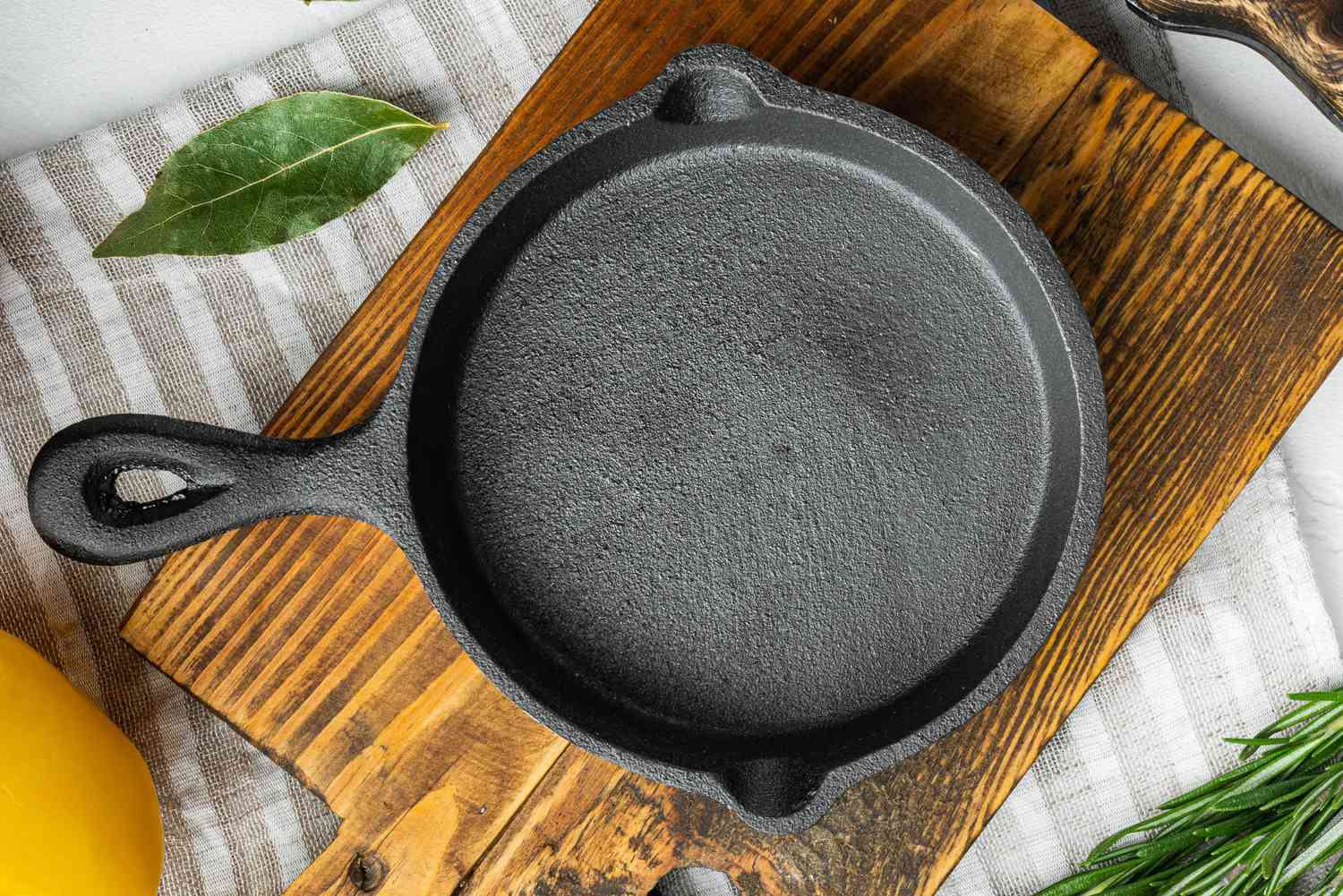
Cast Iron Skillets: Unveiling the Magic Behind Maintenance & Top Picks
The humble cast iron skillet holds a legendary status in kitchens worldwide, lauded by culinary enthusiasts and seasoned chefs alike. From delivering the perfect crust on a T-bone steak to baking golden, crispy-edged cornbread, its versatility is unmatched. Yet, despite its storied reputation, many home cooks approach cast iron with trepidation, often paralyzed by perceived complexities of maintenance. The truth, however, is far simpler and much more rewarding than the myths suggest. Unlike nonstick pans that degrade over time, a well-cared-for cast iron skillet only improves with age, becoming naturally more nonstick and evolving into a cherished family heirloom.
In this comprehensive guide, we'll demystify cast iron maintenance, debunk common fears, and dive deep into current cast iron skillet reviews to help you choose the best pan for your culinary adventures. Prepare to discover why this "big honkin' piece of metal" is truly a kitchen superstar.
Why Cast Iron Skillets Are a Kitchen Essential
At its core, a cast iron skillet is a testament to durability and timeless design. Crafted from an alloy of iron, carbon, and silicon, these pans are incredibly simple yet profoundly effective. Here's why they earn their permanent spot on the stovetop:
- Unparalleled Heat Retention: Cast iron heats slowly but retains heat exceptionally well, ensuring consistent cooking temperatures even when adding cold ingredients. This is crucial for achieving that coveted deep sear on meats and vegetables.
- Natural Nonstick Properties: The magic of cast iron lies in its seasoning – a layer of polymerized oil that bonds to the metal surface. With each use and proper care, this layer builds up, transforming your pan into a naturally nonstick surface that rivals (and often surpasses) synthetic coatings.
- Indestructible Durability: Cast iron skillets are notoriously tough. They can go from stovetop to oven, be thrown on a grill, or even used over an open fire pit without fear of warping or damage. Many cooks proudly use skillets passed down through generations, a testament to their longevity.
- Incredible Versatility: Searing, roasting, baking, frying – there's little a cast iron skillet can't do. Imagine roasting a chicken, baking a fruit crumble, or frying up a batch of buttermilk-brined chicken all in the same pan. To unlock the full potential of your cast iron, check out our guide on Master Cast Iron: Searing, Baking, Frying with One Pan.
- Health Benefits: Cooking with cast iron can actually boost your iron intake, as small amounts of dietary iron can leach into your food.
Debunking Cast Iron Maintenance Myths & Simple Care Tips
The biggest barrier for many considering cast iron is the perceived difficulty of maintenance. Chefs and foodies often "geek out" over it, while home cooks confess to being "cast iron-trepidatious." Let's separate fact from fiction and reveal just how simple caring for these pans truly is.
Myth 1: You Can Never Use Soap!
This is arguably the most pervasive and outdated myth. In the days of lye-based soaps, this was true, as lye would strip away seasoning. Modern dish soaps, however, are much milder and perfectly safe for cast iron. While you don't need to scrub with soap every single time, a little dish soap won't harm your seasoning. The key is to avoid harsh scouring pads or excessive scrubbing that physically scrapes off the polymerized oil layer.
Myth 2: Cleaning Is a Difficult Chore
Cleaning cast iron is often much quicker than tackling a stack of regular dishes.
Simple Cleaning Steps:
- Clean While Warm: The easiest time to clean your skillet is immediately after use, while it's still warm.
- Hot Water & Stiff Brush: Use hot water and a stiff-bristled brush or scraper (even a plastic pot scraper works wonders). For stubborn stuck-on bits, add a tablespoon of coarse salt and scrub it around with a paper towel – the salt acts as a gentle abrasive.
- Optional Soap: If needed, a small drop of dish soap is fine. Rinse thoroughly.
- Dry Immediately and Completely: This is critical to prevent rust. You can hand-dry with a clean towel, or even better, place the skillet back on the stovetop over low heat for a few minutes until all moisture has evaporated.
Myth 3: Seasoning Is a Complicated Process
Seasoning is simply baking thin layers of oil onto the pan, creating a hard, nonstick surface. While some skillets come pre-seasoned (like our top pick), occasional re-seasoning or maintenance seasoning is beneficial.
Easy Seasoning Steps:
- Clean & Dry: Ensure your pan is impeccably clean and completely dry (as per the cleaning steps above).
- Apply Thin Oil Layer: Apply a very thin, even layer of high smoke point oil (like grapeseed, flaxseed, or vegetable oil) to the entire skillet – inside, outside, and handle. Use a paper towel to wipe away as much excess as you possibly can. It should look dry, not greasy.
- Bake It: Place the skillet upside down in a preheated oven (around 450-500°F or 230-260°C) for one hour. Place foil or a baking sheet on the rack below to catch any drips.
- Cool Down: Turn off the oven and let the skillet cool completely inside. Repeat this process a few times for a robust seasoning.
Remember, the best way to maintain seasoning is simply to cook with your cast iron regularly, especially with oil, and to follow the cleaning and drying steps.
Top Picks: Navigating Cast Iron Skillet Reviews
With countless options available, choosing the right cast iron skillet can seem daunting. Our extensive research and practical testing for cast iron skillet reviews consistently highlight the importance of balancing traditional cast iron benefits with modern design considerations. While many great skillets exist, one stands out for its thoughtful design and performance:
The Best Overall: Lodge Chef Collection 12 Inch Cast Iron Skillet
After years of testing and comparison, the Lodge Chef Collection 12 Inch Cast Iron Skillet consistently emerges as a top contender, offering an exceptional balance of performance, user-friendliness, and value. This skillet addresses many of the common complaints about traditional cast iron:
- Lighter Weight: Weighing in at approximately 6.5 pounds, it's significantly lighter than the classic 8.5-pound Lodge skillet. This makes it much more manageable to maneuver, lift, and pour, without compromising on heat retention.
- Superior Searing & Performance: Our tests show it delivers incredibly even browning on steaks, produces crisp, golden cornbread, and even handles delicate tasks like sunny-side-up eggs that effortlessly slip out of the pan.
- Ergonomic Design: The gently sloped, slightly lower sides are a game-changer. They make it easier to stir foods, maneuver a spatula, and serve directly from the pan. The handles are also designed for an easier, more secure grip.
- Excellent Factory Seasoning: It comes with a good factory seasoning, meaning you can start cooking almost immediately after a quick wash and dry.
- Affordable & Made in the USA: Despite its elevated design, it remains an affordable option and proudly carries the "Made in the USA" stamp, a testament to quality craftsmanship.
A Note on Depth: While the shallower design of the Chef Collection is excellent for most tasks, it's worth noting that if deep-frying is a frequent culinary pursuit, the classic, deeper Lodge skillet might be a more suitable choice for you.
Classic Alternative: The Original Lodge Cast Iron Skillet
For those who prefer a deeper pan, perhaps for frying a batch of crispy chicken or making larger one-pan meals, the classic Lodge Cast Iron Skillet remains an excellent and durable option. It sears wonderfully and is known for its robustness, though its heftier weight can make it a bit more cumbersome to handle.
Lighter Nonstick Alternative: Carbon Steel Pans
If you're seeking a pan with similar heat retention and natural nonstick evolution to cast iron but in an even lighter package, consider a carbon steel pan. While still heavier than a coated aluminum pan, carbon steel will develop a robust seasoning over time and, like cast iron, can last a lifetime with proper care.
Choosing Your Perfect Cast Iron Skillet
Ultimately, the "best" cast iron skillet often boils down to personal preference. Consider these factors when making your choice:
- Size: A 10-inch or 12-inch skillet is often the most versatile for individuals and families.
- Weight: If maneuverability is a concern, consider lighter models like the Lodge Chef Collection.
- Surface: Most modern cast iron has a slightly pebbled texture, which helps seasoning adhere. Vintage skillets often have smoother surfaces.
- Features: Look for comfortable handles, pour spouts (though not essential), and a good factory seasoning.
Conclusion
Cast iron skillets are far from being "polarizing pieces of kitchen gear" or fearful burdens; they are straightforward, incredibly robust, and immensely rewarding tools that simplify cooking and enhance flavor. By dispelling the myths surrounding their care and embracing simple maintenance routines, you'll unlock a world of culinary possibilities. Whether you opt for the innovative design of the Lodge Chef Collection or a classic heirloom, investing in a quality cast iron skillet means investing in a lifetime of delicious meals and cherished kitchen memories.
