Unlocking Culinary Excellence: Why Every Home Needs a Cast Iron Skillet
In the bustling world of modern kitchens, where specialized gadgets and fleeting trends often dominate, one piece of cookware stands the test of time: the humble cast iron skillet. Far from being a relic of the past, this robust pan is a culinary powerhouse, capable of transforming everyday meals into extraordinary feasts. Whether you're a seasoned chef or a home cook looking to elevate your skills, mastering the art of searing, baking, and frying with a single cast iron pan is a game-changer.
While some home cooks might shy away, intimidated by tales of rigorous maintenance, the truth is that cast iron is a remarkably simple, incredibly durable, and immensely rewarding tool. Unlike fragile nonstick pans that degrade with time, a well-cared-for cast iron skillet only gets better, more seasoned, and naturally nonstick with every use. It's not just cookware; it's an heirloom, ready to create cherished memories and delicious meals for generations.
Why Every Kitchen Needs a Cast Iron Skillet (Beyond Just Searing)
The versatility of a cast iron skillet is truly unmatched, making it a cornerstone in any culinary arsenal. It’s a kitchen chameleon, adept at a dazzling array of cooking techniques that would typically require multiple specialized pans. Forget the notion that cast iron is only for steak; it’s a master of many domains:
- Searing Perfection: Achieve that coveted, deeply browned crust on steaks, chicken, or even dense vegetables like cauliflower steaks, thanks to its exceptional heat retention and even distribution.
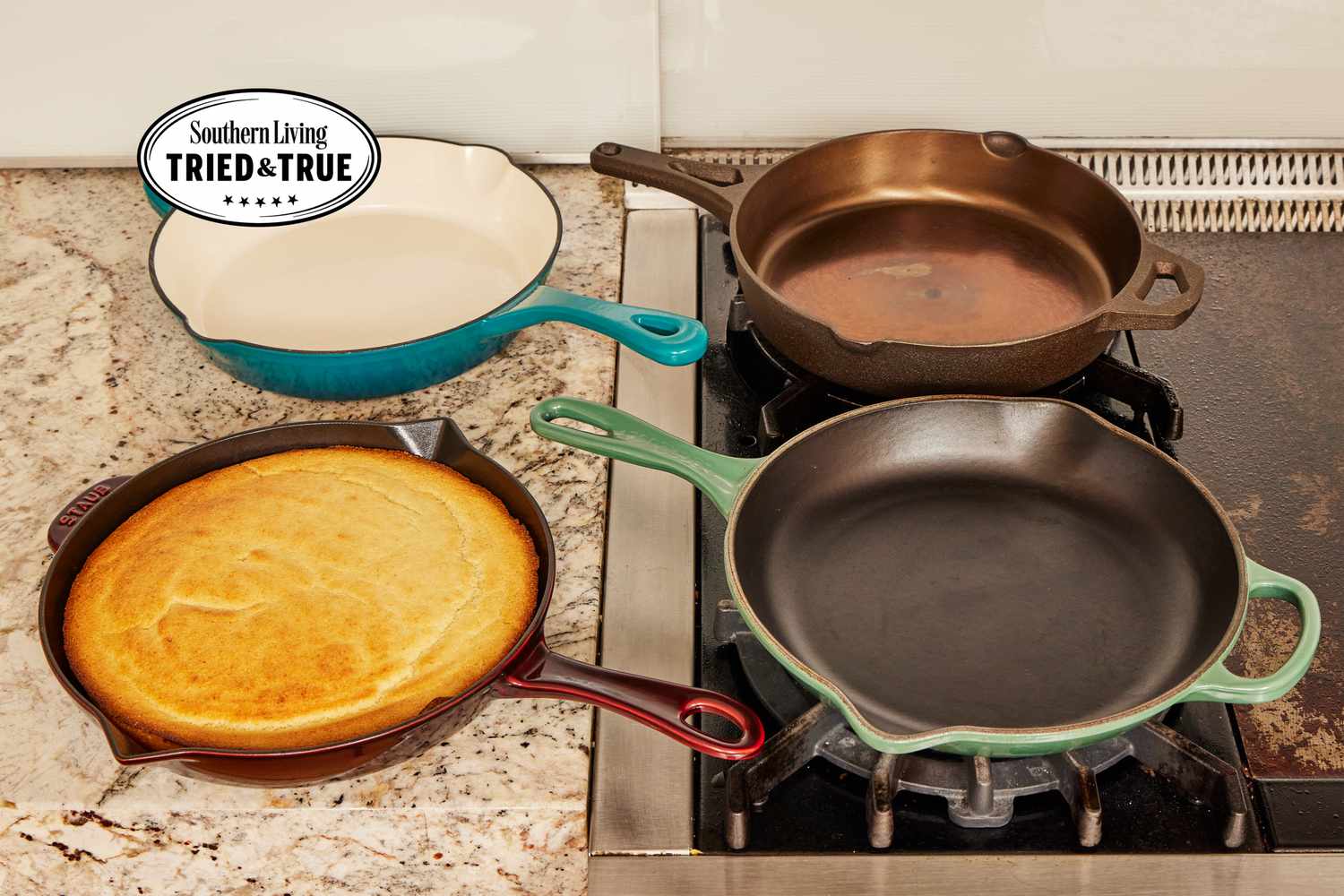
- Baking Brilliance: From classic cornbread with its irresistibly crisp, caramelized edges to fluffy biscuits, decadent skillet cookies, and even savory tarts, cast iron provides a unique baking environment.
- Frying Feats: Whether you're shallow frying sunny-side-up eggs that glide off the surface or embarking on a batch of crispy buttermilk-brined fried chicken, cast iron handles high-temperature oil beautifully.
- Oven-Safe & Beyond: Seamlessly transition from stovetop to oven, perfect for finishing dishes or baking. Its rugged construction also means it can go on the grill, over a campfire, or even into a fire pit without a second thought, offering unparalleled outdoor cooking possibilities.
This enduring resilience is a hallmark of cast iron. Crafted from a simple alloy of iron, carbon, and silicon, it's virtually indestructible. You won't find cracks or signs of wear even after years of heavy use, making it a lifetime investment. This innate toughness means no delicate coatings to scratch or peel, just a solid piece of metal that retains and radiates heat like no other.
Decoding the Best Cast Iron Skillet: What to Look For
With a plethora of options available, from budget-friendly staples to high-end artisanal pieces, navigating the world of cast iron can seem daunting. However, our deep dive into various cast iron skillet reviews and extensive testing reveals that while preferences vary, certain features consistently define a superior pan.
Key Features to Consider:
- Weight and Maneuverability: Traditional cast iron can be hefty. Lighter models offer easier handling, especially when transferring from stove to oven or pouring.
- Handle Design: Look for comfortable, easy-to-grip handles that provide good leverage, especially on heavier pans. Helper handles are a bonus for two-handed lifting.
- Factory Seasoning: A good pre-seasoned pan allows you to start cooking right away, though continued seasoning builds a superior nonstick surface.
- Side Height and Slope: Taller, straighter sides are ideal for deep-frying, while shallower, gently sloped sides make stirring, sautéing, and maneuvering a spatula much easier, particularly for searing and everyday cooking.
- Pour Spouts: Useful for draining liquids or pouring batters without making a mess.
Among the many contenders, the Lodge Chef Collection 12 Inch Cast Iron Skillet consistently emerges as a top performer in numerous cast iron skillet reviews. It masterfully balances traditional cast iron benefits with modern ergonomic design. At approximately 6½ pounds, it's significantly lighter than the classic 8½-pound Lodge, making it much more manageable for daily use. Its slightly lower, gently sloped sides are a dream for achieving an even sear on steaks and make flipping pancakes or stirring ingredients effortless. This skillet also boasts excellent factory seasoning, allowing you to achieve perfectly browned steaks, crisp cornbread, and eggs that simply slide off the pan right from the start. Made in the USA and affordably priced, it represents incredible value. For a deeper dive into what makes this particular model shine, explore our detailed analysis: Lodge Chef Collection: Why It's The Best Cast Iron Skillet.
However, if deep-frying is a frequent activity in your kitchen, the deeper design of the classic Lodge skillet might be a more suitable choice, despite its heavier weight. Ultimately, the "best" cast iron skillet often boils down to your primary cooking needs and personal comfort.
Searing, Baking, Frying: Mastering Your Cast Iron Techniques
Once you've chosen your cast iron companion, it's time to unlock its full potential. The key to success often lies in understanding how this unique material interacts with heat.
1. The Art of the Perfect Sear:
- Preheat Thoroughly: Cast iron takes time to heat evenly. Place your skillet over medium-high heat for 5-10 minutes until it's very hot, but not smoking excessively.
- Add Fat: A high smoke point oil (like grapeseed, canola, or avocado oil) is crucial. Add just enough to coat the bottom.
- Don't Crowd the Pan: Give your food space to ensure proper browning and prevent steaming.
- Resist the Urge to Move: Let the food sit undisturbed to develop that incredible crust before flipping.
The superior heat retention of cast iron means once it's hot, it stays hot, creating an ideal environment for that sought-after Maillard reaction on everything from T-bone steaks to pork chops.
2. Baking with Beautiful Results:
- Even Heating: Cast iron distributes oven heat exceptionally well, ensuring uniform baking.
- Crispy Edges: For cornbread, biscuits, or skillet brownies, preheating the skillet in the oven with a touch of fat (butter or bacon grease) before adding the batter creates those delightfully crunchy, caramelized crusts.
- One-Pan Wonders: Bake a frittata or a shepherd's pie, then serve it directly from the skillet for a rustic presentation.
3. Frying with Confidence:
- Temperature Control: Cast iron holds temperature steadily, which is vital for frying. Use a thermometer for deep-frying to maintain the optimal oil temperature.
- Shallow Frying Success: For eggs, sautéed vegetables, or small batches of fried chicken, the naturally developing nonstick surface of a well-seasoned pan shines, ensuring food doesn't stick.
Always remember to preheat gradually and avoid extreme temperature shocks to prevent warping. A little patience in heating pays dividends in cooking performance.
Cast Iron Care: Dispelling Myths & Ensuring Longevity
The perceived difficulty of cast iron maintenance is perhaps its most significant deterrent for new users, yet it's largely a myth. Caring for cast iron is straightforward and takes mere minutes, especially compared to the careful handling required for delicate nonstick coatings. The "maintenance" is actually part of its charm – it's about building up its natural nonstick properties, not preventing its decay.
Simple Steps for a Lifetime of Use:
- Clean Immediately After Use: While the pan is still warm (but not scalding hot), scrape out food bits with a metal spatula.
- Wash with Hot Water: A stiff brush or non-abrasive sponge is usually all you need. Don't be afraid of mild dish soap – contrary to old wives' tales, it won't strip a well-established seasoning. Just avoid harsh scourers or steel wool.
- Dry Thoroughly: This is the most crucial step to prevent rust. You can wipe it dry with a towel, then place it back on the stovetop over low heat for a few minutes until completely evaporated.
- Apply a Thin Layer of Oil: While the pan is still warm, add a tiny drop (about ½ teaspoon) of neutral cooking oil (like flaxseed, grapeseed, or vegetable oil). Rub it into the entire surface of the pan, inside and out, with a paper towel until it looks dry and polished. This protects against rust and contributes to the seasoning.
That's it! Regular use and proper oiling will build up a robust, durable seasoning that truly makes the pan nonstick. For more detailed insights into maintaining your skillet and debunking common myths, check out our guide: Cast Iron Skillets: Maintenance Myths & Top Picks Explored.
Embrace the Cast Iron Journey
A cast iron skillet is more than just a piece of cookware; it's an investment in your culinary future. Its unmatched versatility, superior heat characteristics, and incredible durability make it an indispensable tool for searing, baking, frying, and so much more. While it might require a little different approach than a Teflon-coated pan, the rewards are immeasurable – a naturally nonstick surface that improves with age, delicious food, and a piece of kitchen equipment that can genuinely last a lifetime, becoming a treasured family heirloom. So, embrace the journey, get cooking, and discover the magic of master cast iron.
